How To Eat More Vegetables
Eat more vegetables by using easy preparation, repeat meals, frozen options, sauces, and realistic portions.
Quick Answer
- Fix vegetables feeling like an extra task instead of part of meals by improving food quality one repeatable meal or snack at a time.
- Food quality supports fat loss when it improves fullness, protein, fiber, portions, and consistency without creating rigid clean-eating rules.
- The goal is not perfect food. The goal is a pattern that makes calorie targets easier to sustain.
- Use Calorie Calculator and Macro Calculator when targets need a practical reset.
Who This Guide Is For
- Users who know their calorie target but still struggle with cravings, snacks, or low-satiety meals.
- People who want better food quality without banning restaurants, sweets, fruit, packaged foods, or flexible meals.
- Beginners who need simple plate and snack decisions that can repeat during real weeks.
How It Works
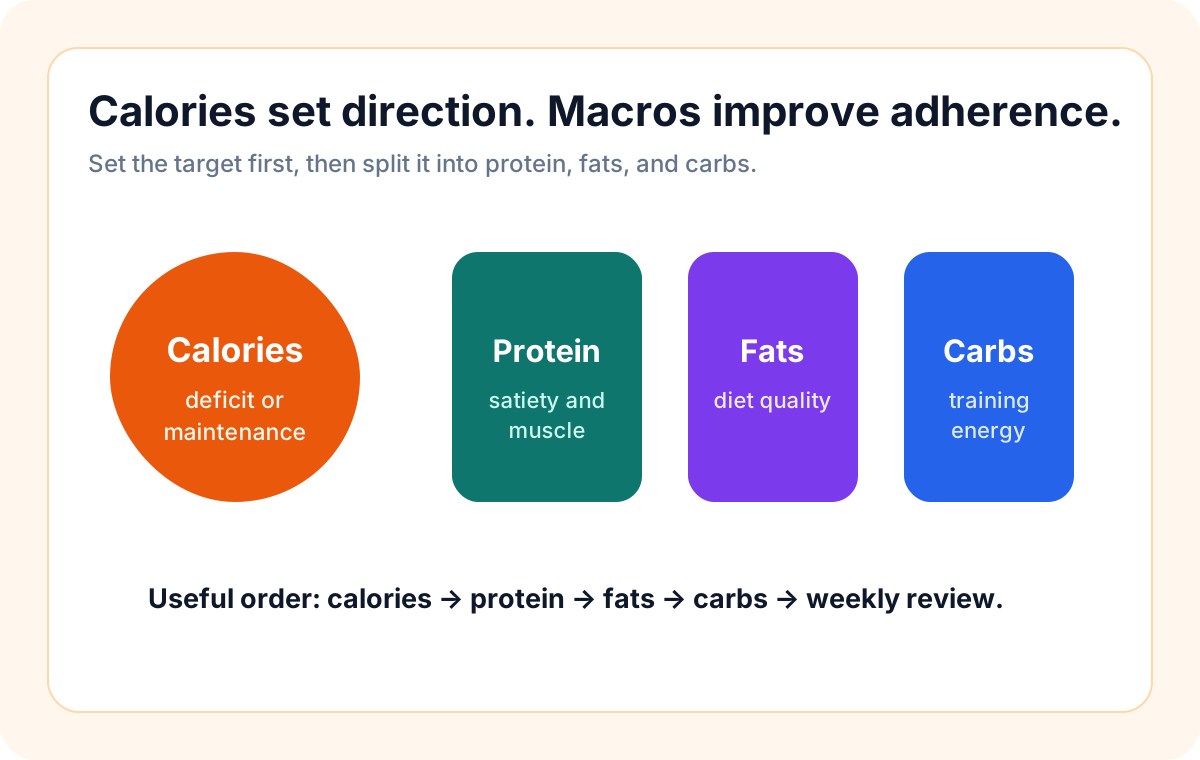
Food quality works by changing the default meal environment. Protein, produce, fiber, slower eating, and planned snacks can make the same calorie target feel easier. Sodium, sugary foods, and ultra-processed foods are not moral failures, but they may affect water weight, hunger, eating speed, and portions. The useful move is to notice patterns and choose one practical swap at a time.
Food Quality Checklist
- Add vegetables to meals you already repeat.
- Use frozen, pre-cut, or canned options when useful.
- Pair vegetables with protein and flavor.
- Increase portions gradually to avoid digestive discomfort.
Step-by-Step Plan
- Pick the meal, snack, or craving that creates the most friction.
- Add one supportive anchor: protein, vegetables, fruit, fiber, water, or a planned portion.
- Keep the food enjoyable enough to repeat.
- Review hunger, energy, cravings, and weight trend after a week.
- Adjust the swap instead of restarting the whole plan.
Example
Frozen vegetables in rice bowls, spinach in eggs, salad kits with protein, or roasted vegetables at dinner can raise intake without a new recipe system.
Common Mistakes
- Buying many vegetables with no plan for how they will become meals.
- Treating food quality as a moral score instead of a practical support tool.
- Changing every meal at once and losing convenience.
- Ignoring medical diets, allergies, eating disorder history, and prescribed limits.
When To Be Careful
This guide is educational and does not replace medical or nutrition care. Get individualized advice for diabetes, kidney disease, heart failure, hypertension, pregnancy, breastfeeding, digestive conditions, food allergies, eating disorder history, medication interactions, or prescribed sodium, fluid, carbohydrate, or fiber limits.
How Up2You Helps
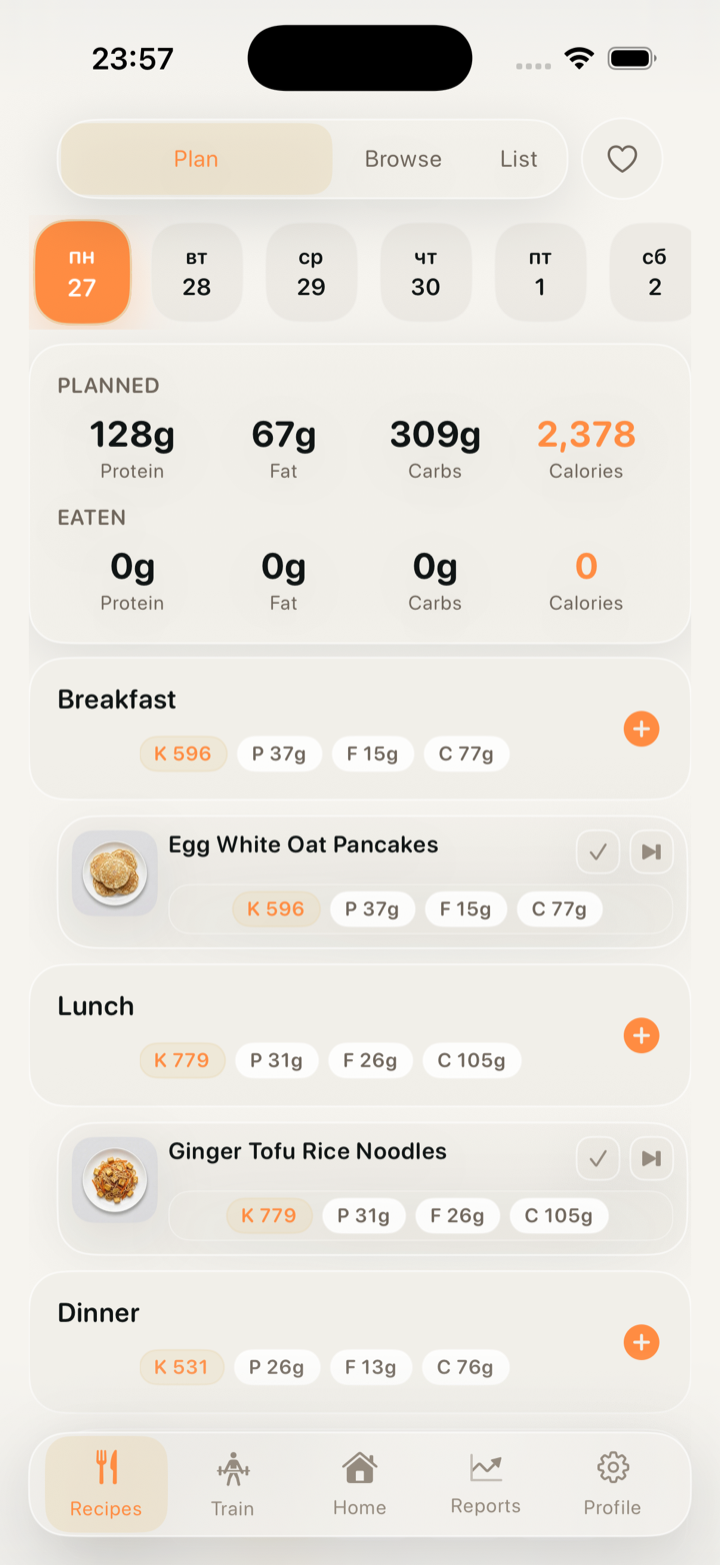
Up2You keeps meal plans, calorie targets, macros, food logs, notes, screenshots, and progress trends together, so food quality changes can be reviewed without losing flexibility.
Inside Up2You
FAQ
Do I need to eat clean to lose weight?
No. Weight loss depends on the overall calorie pattern, but food quality can make that pattern easier to follow.
Can cravings fit a weight-loss plan?
Yes. Planned portions, regular meals, protein, fiber, sleep, and stress management often work better than banning every craving.
Should I remove all processed foods?
Usually no. Focus first on the foods that repeatedly make portions or hunger harder to manage.