Eating Out on a Calorie Deficit: What To Do
Eat out during a calorie deficit with practical choices for protein, portions, sauces, drinks, and the rest of the day.
Réponse rapide
- Troubleshoot restaurant meals during fat loss by checking the weekly pattern before making the plan stricter.
- Start with tracking accuracy, protein, meal timing, sleep, and trend data.
- Change one variable at a time so you know what helped.
- Use Calorie Calculator and Macro Calculator to keep targets realistic.
Pour qui est ce guide
- People trying to lose fat without turning food into guesswork.
- Users who feel hungry, low-energy, inconsistent, or stuck.
- Beginners who want nutrition decisions connected inside Up2You.
Comment ça fonctionne
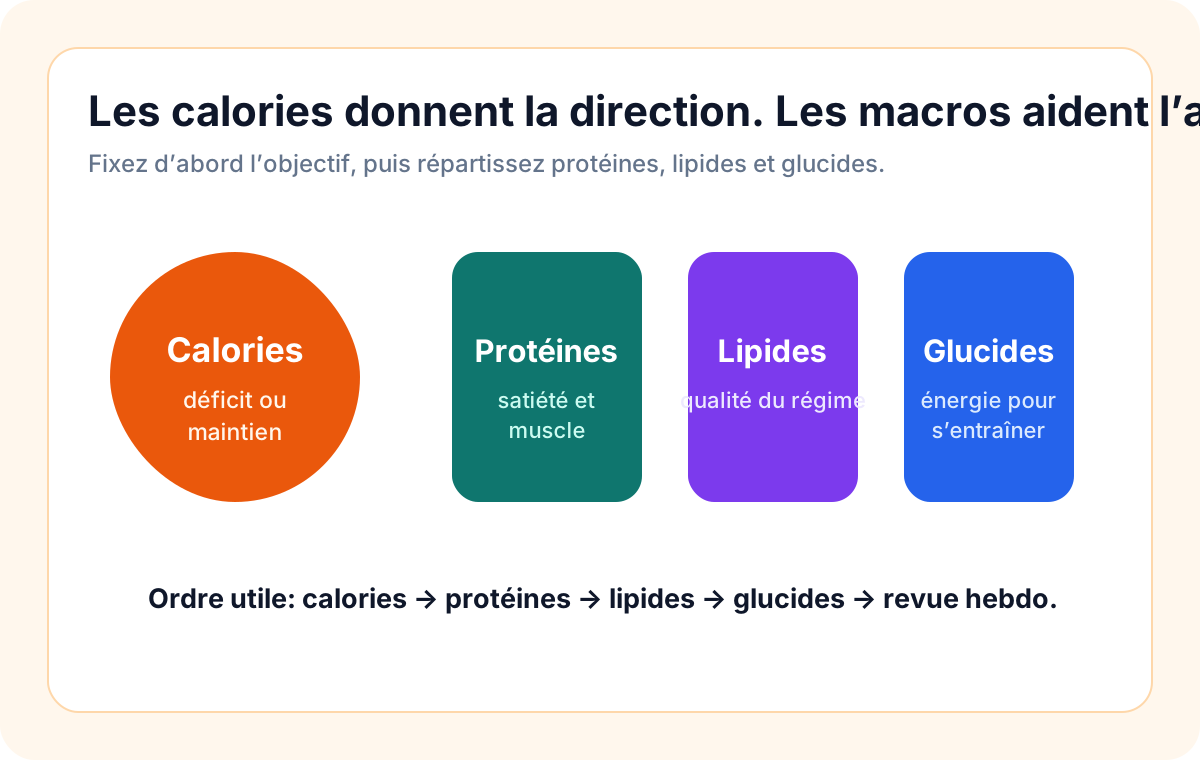
Most nutrition problems come from a mismatch between the plan and the real week. Calories, protein, sleep, restaurant meals, weekends, stress, and tracking accuracy all interact. A good troubleshooting process finds the limiting pattern before adding stricter rules.
Checklist de diagnostic
- Choose a protein-forward main dish first.
- Decide whether the meal needs bread, fries, dessert, or alcohol, not all of them.
- Ask for sauces or dressings on the side when useful.
- Keep the next meal normal instead of punishing yourself.
Plan étape par étape
- Write down the specific problem and when it appears.
- Review the last 7-14 days of meals, hunger, protein, sleep, weight trend, and weekends.
- Pick the most likely limiter.
- Make one small change for the next week.
- Review the trend before changing calories again.
Exemple
At a burger place, you might keep the burger, choose a smaller side, skip caloric drinks, and log an estimate rather than quitting the day.
Erreurs fréquentes
- Trying to be perfect, then giving up when restaurant calories are only approximate.
- Changing several food rules at once and losing the signal.
- Treating one unusual day as proof the whole plan failed.
- Ignoring sleep, stress, and weekend patterns.
Quand faire attention
This guide is educational and does not replace medical nutrition advice. Stop aggressive targets if dieting causes dizziness, binge-restrict cycles, missed periods, worsening mood, or obsessive food rules. Medical conditions, pregnancy, medications, and eating-disorder history need qualified guidance.
Comment Up2You aide
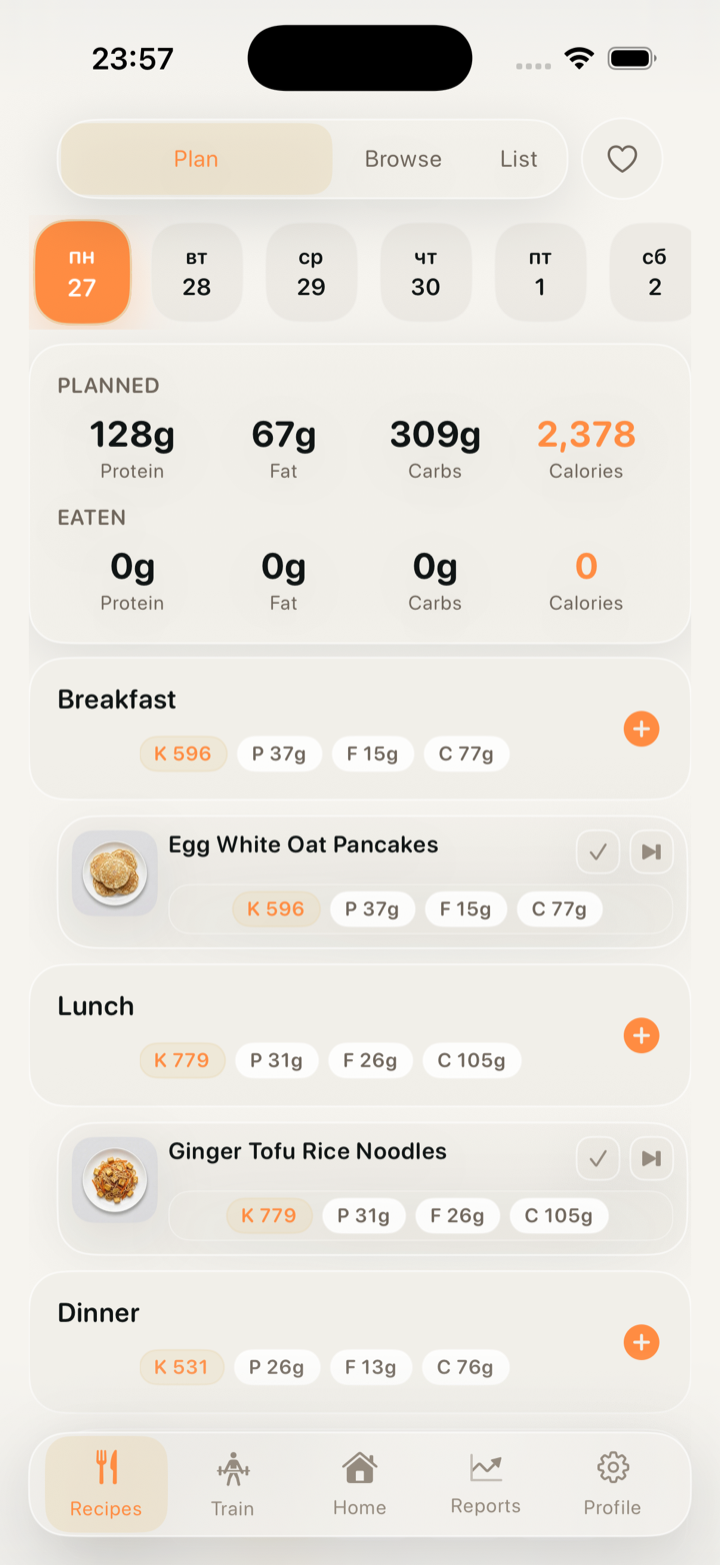
Up2You keeps calories, macros, meals, weight trend, and weekly routines together, so nutrition troubleshooting is based on patterns instead of memory.
Dans Up2You
Questions fréquentes
Should I cut calories whenever progress slows?
No. First check weekly averages, adherence, weekends, water weight, sleep, and whether the plan has enough data.
How long should I test one nutrition fix?
One to two weeks is usually enough for a small behavior change; scale trends may need a little longer.
Can I troubleshoot without perfect tracking?
Yes. Track the highest-impact items first: protein anchors, calorie-dense extras, restaurant meals, snacks, and drinks.