Common Dieting Mistakes: What to Fix Before Starting Over
Most dieting mistakes are not about willpower. They come from plans that are too vague, too aggressive, or too hard to repeat. Before starting over, check the basics: a realistic calorie target, enough protein and fiber, planned meals, consistent tracking, and a review window long enough to see a real trend.
Quick Answer
- Do not restart the diet every time one day goes off plan.
- Set a measurable target with the Calorie Calculator before changing everything.
- Avoid extreme cuts that make hunger, cravings, and fatigue harder to manage.
- Build meals around protein, fruits, vegetables, whole grains, and planned fats.
- Review weekly patterns, not single weigh-ins.
Who This Guide Is For
- Beginners who have tried multiple diets and keep losing momentum.
- People who eat healthy foods but still do not see the trend they expect.
- Users who track sometimes, then stop when life gets busy.
- Anyone who wants a more repeatable fat-loss system.
How It Works
A diet works when it creates a calorie deficit that you can actually repeat while supporting health, training, sleep, and daily life. CDC guidance emphasizes specific plans, tracking current habits, healthy eating patterns, physical activity, sleep, and stress management. That is why the best fix is usually not a more extreme rule. It is a clearer system.
Mistake 1: Starting Too Aggressively
A very large calorie cut can look motivating for a few days, then create hunger, low energy, cravings, and rebound eating. Start with a modest deficit you can follow for at least 2-4 weeks. If progress is too slow after a real review window, adjust gradually.
Mistake 2: Tracking Only the Easy Days
Many people track weekdays but skip weekends, restaurant meals, drinks, oils, sauces, and bites while cooking. You do not need perfect tracking forever, but you do need enough honest data to see what is happening. Track a normal week before assuming your body is broken.
Mistake 3: Eating Too Little Protein or Fiber
Low-protein, low-fiber meals often leave you hungry again quickly. Build meals around a protein anchor and add fruits, vegetables, beans, oats, potatoes, or whole grains for volume and fiber. This makes the deficit easier without relying only on discipline.
Mistake 4: Treating Healthy Foods as Free Calories
Nuts, granola, avocado, oils, smoothies, cheese, and dried fruit can be nutritious and still calorie dense. Keep them in the plan, but portion them. Healthy eating still needs to fit your daily calorie range.
Mistake 5: Having No Plan for Snacks
Unplanned snacks often become random grazing. Planned snacks can help. Use healthy snacks for a calorie deficit when they solve hunger, protein, or meal timing rather than boredom.
Mistake 6: Changing the Plan Too Soon
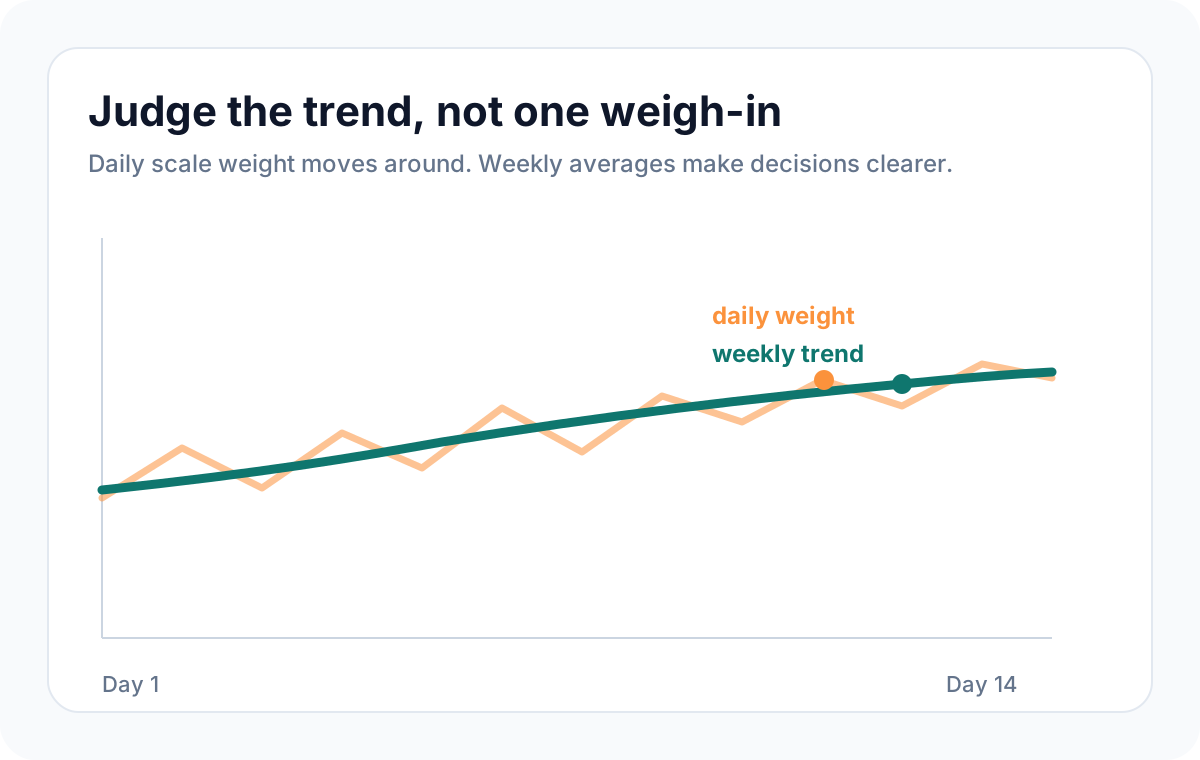
Body weight moves because of water, salt, carbs, digestion, soreness, and menstrual cycle changes. One or two days is not a trend. Use a weekly average and compare at least 2 weeks before making major changes.
Mistake 7: Ignoring Sleep, Stress, and Activity
Food matters, but weight management is not food alone. Poor sleep, high stress, low daily movement, and inconsistent workouts can make hunger and adherence harder. Fixing the diet while ignoring the rest of the routine often creates a fragile plan.
Step-by-Step Fix
- Estimate calories with the Calorie Calculator.
- Set protein and macros with the Macro Calculator.
- Plan 2-3 repeatable breakfasts, lunches, dinners, and snacks.
- Track a normal week, including weekends and drinks.
- Weigh consistently and look at the weekly average.
- Adjust one variable at a time.
- Keep the plan flexible enough for restaurants, social meals, and busy days.
Example
A person who eats well Monday through Thursday but overeats Friday through Sunday may not need a stricter weekday plan. They may need planned weekend meals, a restaurant strategy, protein at breakfast, and a realistic snack budget. The fix is the weekly pattern, not another restart on Monday.
When To Be Careful
This guide is educational and not medical advice. If you have a medically prescribed diet, pregnancy, diabetes, digestive conditions, a history of disordered eating, or rapid unexplained weight changes, work with a qualified clinician or registered dietitian before changing your diet substantially.
How Up2You Helps
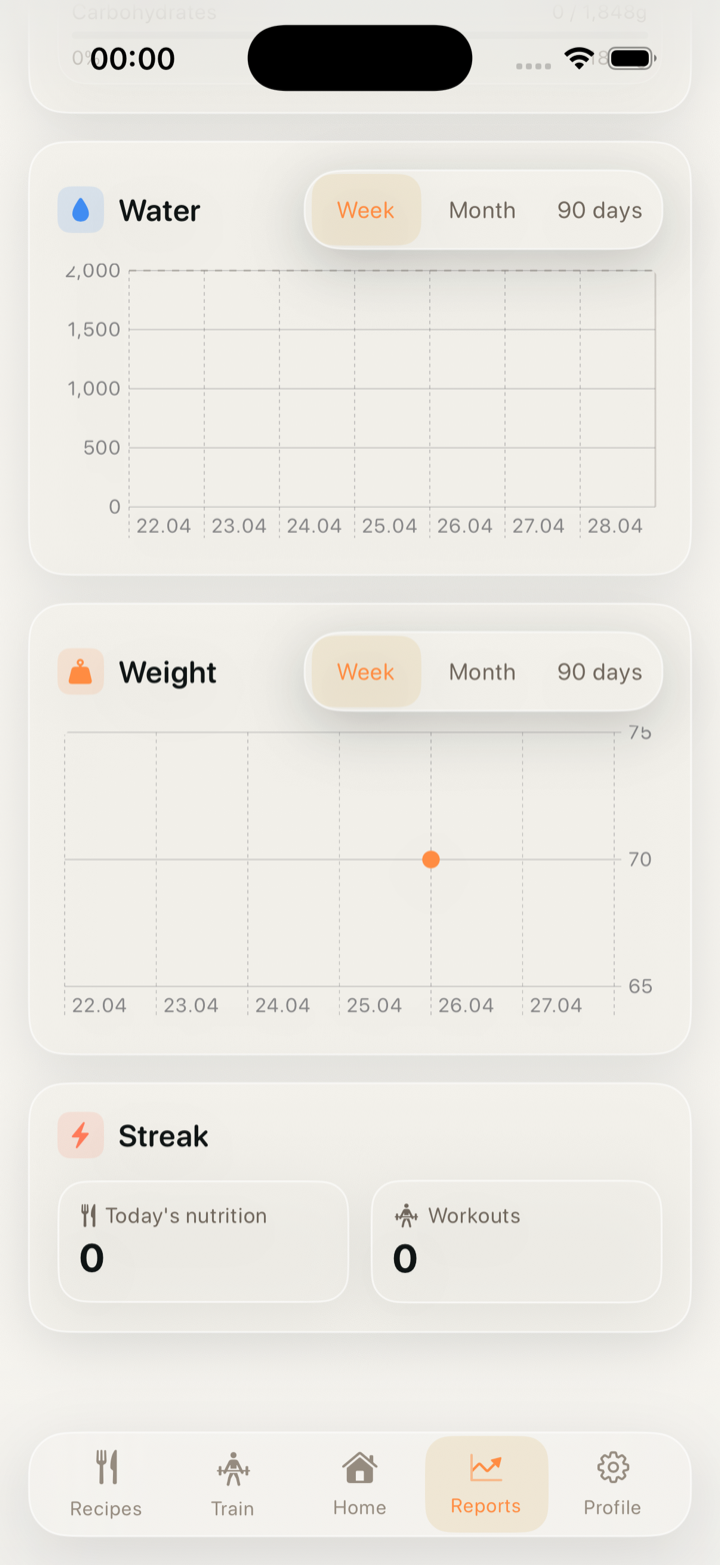
Up2You helps turn dieting into a repeatable system: calculate calories, set macros, plan meals and snacks, track intake, monitor weight trends, and adjust based on patterns instead of reacting to one difficult day.
Inside Up2You
FAQ
What is the biggest dieting mistake?
The biggest mistake is usually choosing a plan that is too aggressive or vague to repeat. A realistic plan beats a perfect plan you abandon after a week.
Should I cut carbs to lose weight?
Not necessarily. Fat loss depends on the calorie trend. Carbs can fit well when portions match your target and they support training, energy, and adherence.
How long should I wait before changing calories?
Give the plan at least 2 weeks unless it feels unsafe or clearly unsustainable. Compare weekly averages, not one weigh-in.
Why do I eat healthy but not lose weight?
Healthy foods can still exceed your calorie needs. Check portions, drinks, snacks, weekends, oils, sauces, and restaurant meals.
Is it bad to have a diet break?
No. A planned break at maintenance can help some people practice consistency and reduce fatigue. It should be planned, not a week of uncontrolled eating.